

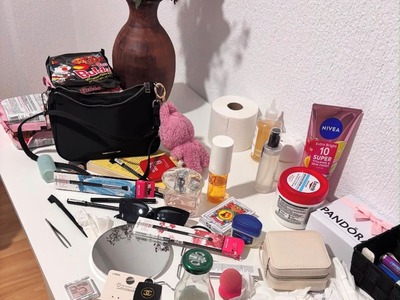
Social media has become a major part of everyday life, allowing people to share experiences, connect with others and express themselves. However, the growing emphasis on appearance and beauty standards online is raising concerns about body image, self-confidence and mental well-being, particularly among young people.
Platforms such as Instagram, TikTok and Facebook are filled with photographs and videos featuring carefully selected poses, edited images, beauty filters and idealised lifestyles. While these posts can be a form of creativity and self-expression, they can also create unrealistic expectations about how people should look.
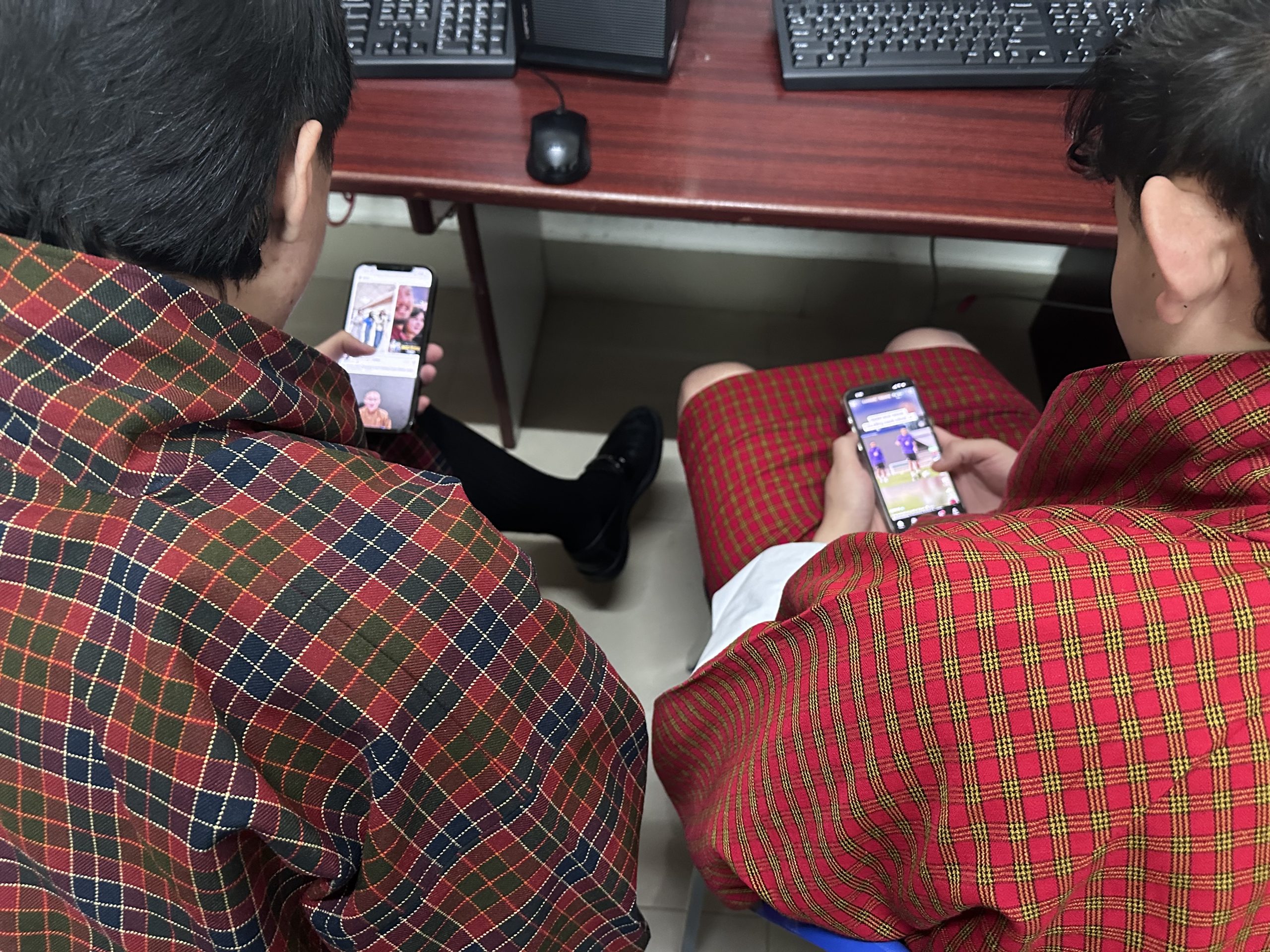
For some users, scrolling through social media can lead to constant comparisons with influencers, celebrities and even friends. Seeing images of seemingly perfect skin, fashionable clothing and particular body shapes may cause people to question their own appearance.
The impact of online comparisons
Social comparison is a common part of human behaviour, but social media can make it more frequent. Users may encounter hundreds of carefully presented images in a single sitting, often without knowing how much editing, professional lighting or preparation went into creating them.
Repeated exposure to idealised images can contribute to dissatisfaction with one’s appearance. Some people may feel pressure to change their weight, skin, hairstyle or clothing to match popular trends or gain approval from others.
The number of likes, comments and followers can also influence how users judge their online presence. When appearance-related posts receive attention, some individuals may begin to associate online approval with their personal worth.
Filters and unrealistic beauty standards
Beauty filters and photo-editing tools allow users to change facial features, smooth skin and alter their appearance before posting pictures. Although these tools can be entertaining, frequent use may make edited images seem like a normal standard of beauty.
Young people who are still developing their identities may be particularly vulnerable to these pressures. Constant exposure to idealised appearances can influence how they view themselves and what they believe is considered attractive.
However, social media does not affect everyone in the same way. Its impact can depend on the content people view, the time they spend online, their personal experiences and the support they receive from family and friends.
Building a healthier relationship with social media
Developing healthier online habits can help reduce appearance-related pressure. Users can choose to unfollow accounts that make them feel inadequate and follow creators who promote body diversity, realistic experiences and positive messages about self-acceptance.
Taking breaks from social media, limiting unnecessary comparisons and spending more time on offline activities can also support well-being. Talking openly with trusted friends, family members or counsellors may help when concerns about appearance begin to affect everyday life.
Parents, educators and online creators also have a role in encouraging responsible social media use. Promoting media literacy can help users recognise edited content, understand advertising techniques and question unrealistic beauty standards.
Ultimately, social media should be a space for connection and expression rather than a measure of personal value. Looking good online may bring temporary attention, but confidence and self-worth should not depend entirely on likes, comments or followers.
As online trends continue to shape ideas about beauty, learning to appreciate individual differences and recognise unrealistic portrayals can help people develop a healthier relationship with both their appearance and the digital world.













Leave a Reply