

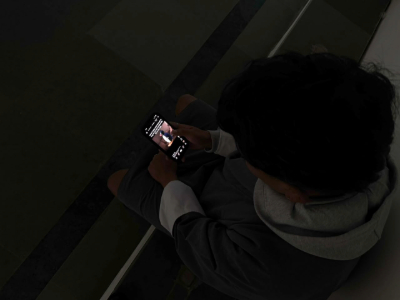
Sleep is essential for maintaining good physical health, mental well-being and academic performance. However, for many college students, getting enough sleep has become a challenge. Academic pressure, assignments, examinations and excessive screen time often lead students to sacrifice their sleeping hours. This raises an important question: are students getting enough sleep?
At Royal Thimphu College (RTC), students balance lectures, coursework, creative projects and social activities. These responsibilities can make it difficult to maintain a healthy sleeping routine, particularly during examination periods and assignment deadlines.
According to health recommendations, most adults need seven to nine hours of sleep each night. However, students who stay awake late to complete assignments or use their phones for entertainment may struggle to achieve this amount. Insufficient sleep can lead to tiredness, poor concentration, irritability and reduced motivation, affecting students’ ability to learn and participate actively in class.
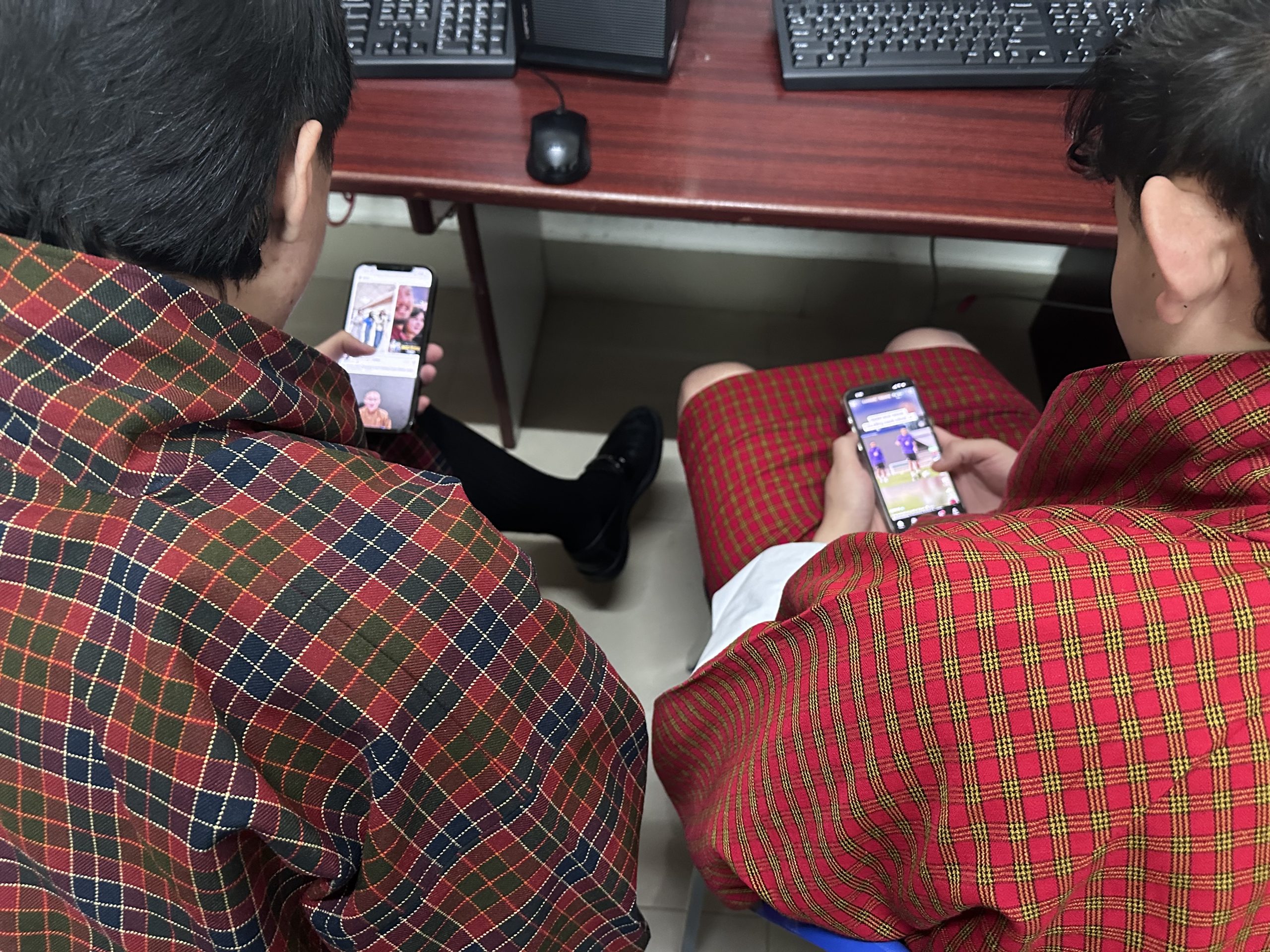
Screen time has also become a concern in students’ daily lives. Smartphones, laptops and other digital devices are widely used for studying, communication and entertainment. While technology supports learning, excessive use, particularly before bedtime, can interfere with healthy sleeping habits.
Many students spend hours scrolling through TikTok, Instagram and other social media platforms without realising how quickly time passes. The light emitted by electronic screens can also affect the body’s natural sleep-wake cycle, making it harder to fall asleep when devices are used close to bedtime.
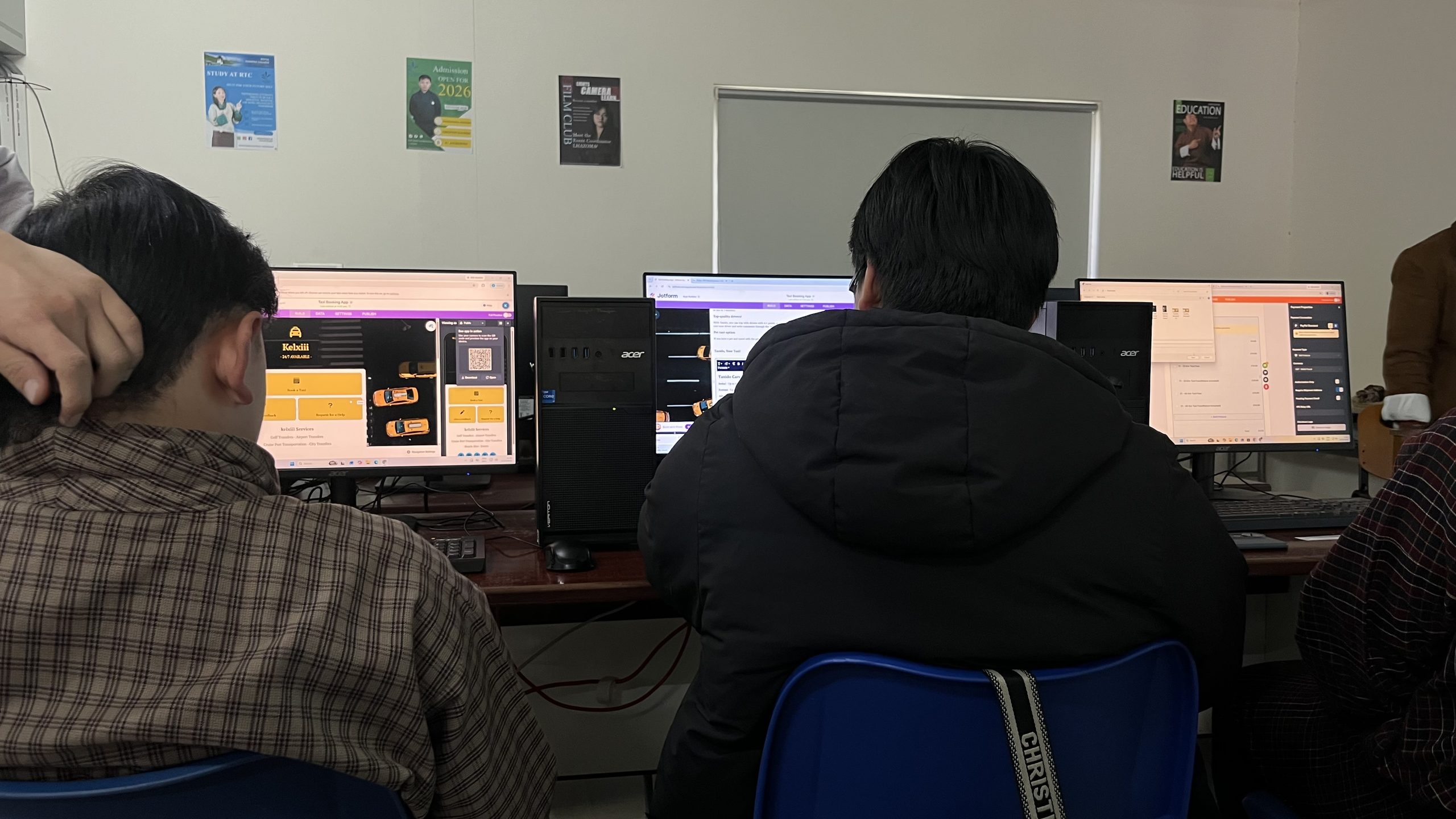
For students studying Communication Arts and Creative Media, screen time is often necessary for completing assignments, editing videos, researching topics and developing creative projects. Distinguishing between academic and recreational screen use can therefore be challenging.
Tenzin Choda, a third-year Communication Arts and Creative Media student at Royal Thimphu College, shared his experience of balancing academic responsibilities, phone use and sleep.
“Sometimes, it becomes difficult to get enough sleep when assignments and deadlines are approaching. I also spend time on my phone at night, which can make me sleep later than planned. The next day, I sometimes feel tired and find it difficult to concentrate,” Choda said.
His experience highlights the challenges students may face when managing their academic workload alongside digital habits. Although staying awake late may seem like a practical way to complete tasks, consistently losing sleep can affect concentration, productivity and overall well-being.
Maintaining a healthy sleeping routine requires effective time management and awareness of screen use. Students can improve their habits by planning assignments in advance, setting limits on recreational phone use and avoiding screens for 30 to 60 minutes before bedtime. Keeping a consistent sleeping schedule and reducing caffeine consumption late in the day may also help.
Colleges can contribute by raising awareness about sleep health and encouraging students to maintain a balance between academic commitments and personal well-being.
Ultimately, adequate sleep should not be viewed as a luxury but as an important part of student life. By managing screen time and prioritising rest, students can improve their daily routines and create healthier conditions for learning and academic success.

















Leave a Reply