

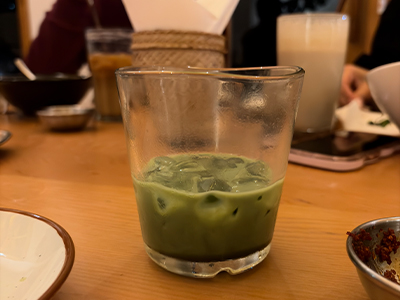
Thimphu, Bhutan — October 2026
The choice between a home-cooked meal and fast food is becoming an important health and lifestyle question for young people in Thimphu. With busy study schedules, work commitments and easy access to restaurants, many young people face a daily decision about what to eat, how much to spend and whether their food choices are healthy.
Traditional Bhutanese meals commonly include rice, vegetables, lentils, meat and dishes such as ema datshi. These meals can provide important nutrients when prepared with a balance of vegetables, protein and other food groups. However, young people who have limited time to cook may find takeaway meals and fast food more convenient.
Bhutan’s changing food environment has also raised concerns among health organisations. A UNICEF Bhutan report published in September 2025, developed with the Ministry of Health, highlighted the need to address unhealthy food environments and nutrition challenges among children and adolescents. The report points to the growing availability of highly processed foods and the influence of food marketing on young people’s choices.
In Thimphu, restaurants and takeaway outlets offer a variety of choices, including burgers, fried chicken, noodles, momos and other quick meals. For students who have classes throughout the day, buying food outside may seem easier than returning home or preparing a meal themselves. Price, taste, convenience and the time available can all influence what they choose.
Home-cooked food, on the other hand, allows people to decide what ingredients to use, how much oil and salt to add, and how large their portions should be. Preparing meals at home can also help people include more seasonal vegetables and locally available ingredients in their diets. However, traditional food is not automatically healthy; its nutritional value also depends on how it is prepared and how much is eaten.
Fast food is not necessarily unhealthy every time, but regularly choosing meals high in salt, sugar, unhealthy fats and calories can increase the risk of health problems. A balanced diet, combined with regular physical activity, is important for maintaining good health.
The issue is particularly relevant to college students, who often manage their own schedules and spending for the first time. Some may prioritise affordable meals, while others may choose food based on taste, social activities or convenience. Understanding these differences is important before drawing conclusions about whether young Bhutanese prefer healthy eating or fast food.
Health awareness is another important part of the discussion. Nutrition professionals can help young people understand food labels, portion sizes and the importance of eating a variety of foods. Restaurants can also contribute by offering balanced meal options, including vegetables, and providing customers with healthier alternatives.
Rather than completely avoiding restaurant food, young people can make practical changes, such as choosing water instead of sugary drinks, adding vegetables to meals and limiting how often they eat heavily fried foods. Planning meals ahead of time can also make home cooking easier, even for students with busy schedules.
The question is not simply whether home-cooked food is better than fast food. It is whether young people in Thimphu have the time, money, knowledge and choices needed to maintain a balanced diet. Understanding their everyday eating habits is an important step towards encouraging healthier lifestyles in Bhutan.













Leave a Reply