

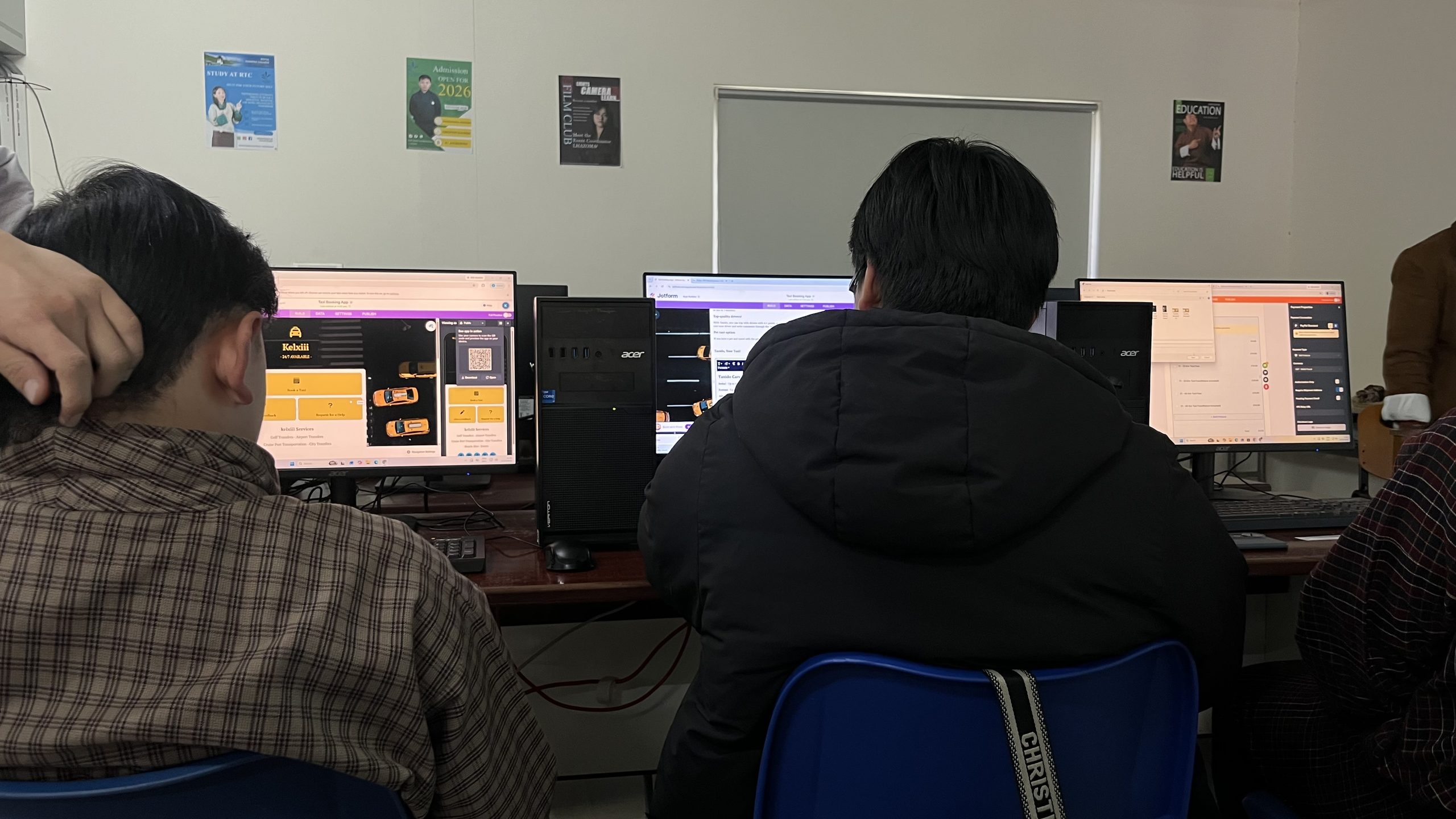
Academic pressure, financial concerns, relationships and uncertainty about the future are pushing many young people to find healthier ways of managing stress. For students and young adults, managing stress increasingly involves balancing study and work with sleep, exercise, social support and time away from digital platforms.
The World Health Organization (WHO) reports that one in seven people aged 10 to 19 globally experiences a mental health condition. It identifies pressure from school, relationships, identity and difficult social circumstances as some of the factors that can affect young people’s mental well-being. WHO also highlights healthy sleep, regular physical activity, problem-solving skills and supportive relationships as important protective factors.
For many young people, academic responsibilities remain a major source of everyday stress. Assignments, examinations, deadlines and concerns about future careers can make it difficult to switch off. Instead of ignoring the pressure, some students manage it by breaking large tasks into smaller ones, creating study schedules and taking short breaks between periods of concentration.
Physical activity is another common coping strategy. Walking, hiking, playing sports and exercising can provide young people with time away from academic responsibilities while supporting overall well-being. The APA recommends exercise among healthy approaches to managing stressful experiences.
Social connections also play an important role. Talking with friends, family members, teachers or other trusted people can help young people deal with stressful situations rather than handling them alone. WHO notes that supportive environments at home, school and in the wider community can help protect adolescent mental health.
Digital technology, however, can be both a source of stress and a coping tool. The American Psychological Association’s 2025 Stress in America survey found that 65% of adults aged 18 to 34 reported stress related to the rise of artificial intelligence, compared with 52% in 2024. Among students, the figure was even higher: 78% said AI was a significant source of stress, up from 45% the previous year. The concerns included uncertainty about education, employment and the future of technology.
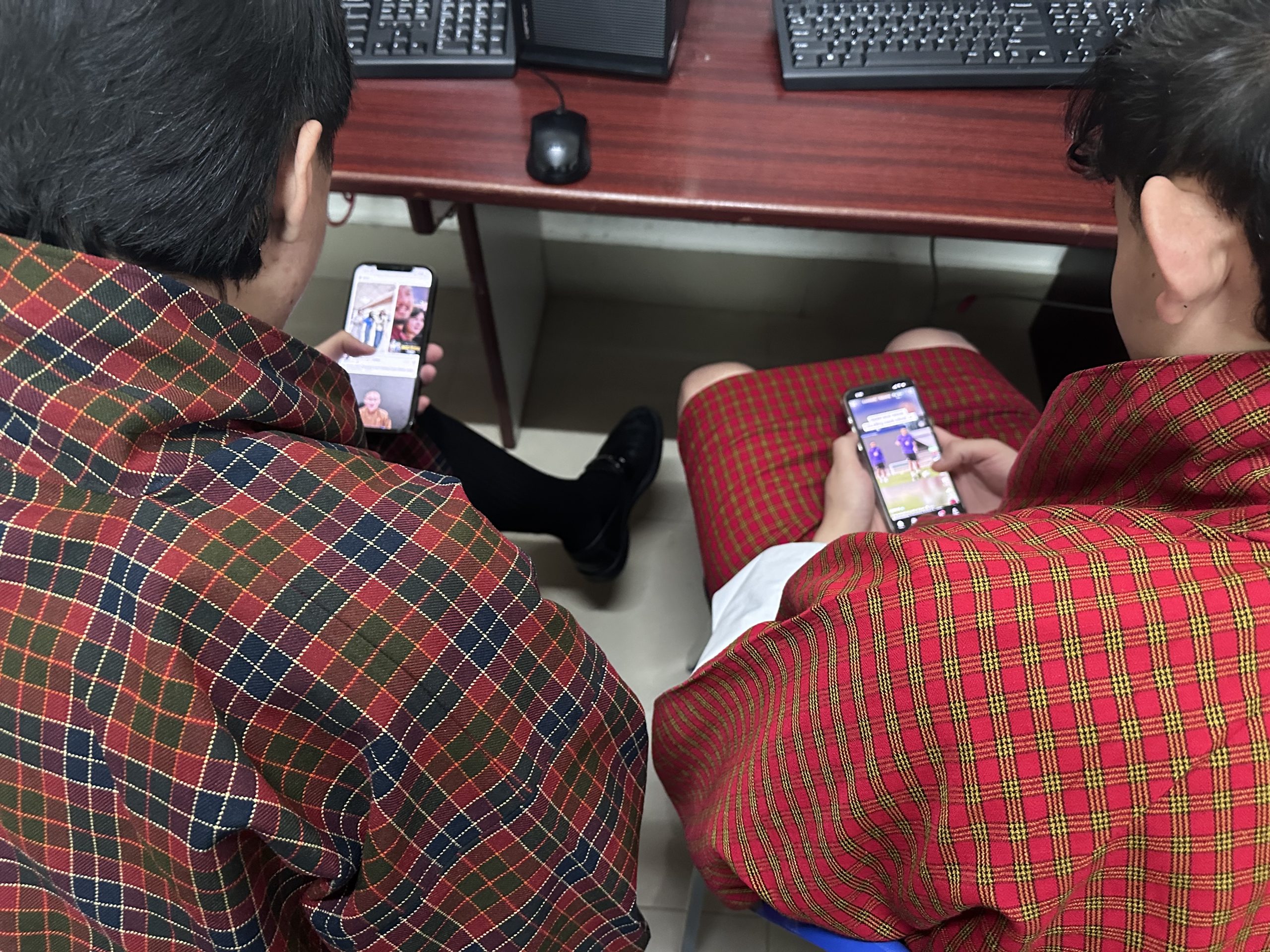
Because of this, managing stress can also mean creating boundaries around technology. Taking breaks from social media, limiting unnecessary notifications and spending time on offline activities can help young people create space away from constant information and communication.
The pressures facing young people are not limited to academics. APA’s 2023 survey found that adults aged 18 to 34 reported an average stress level of 6 out of 10, compared with 3.4 among adults aged 65 and older. Money and health-related concerns were among the leading sources of stress for the younger group.
Experts therefore emphasize that managing stress is not about eliminating every stressful situation. Instead, young people can develop healthy ways to respond to pressure and seek support when stress becomes difficult to manage.
As academic, financial and technological pressures continue to affect young people, stress management is becoming an important part of maintaining their well-being. For many, the answer is not one single solution, but a combination of healthy routines, physical activity, supportive relationships and knowing when to ask for help.


















Leave a Reply