

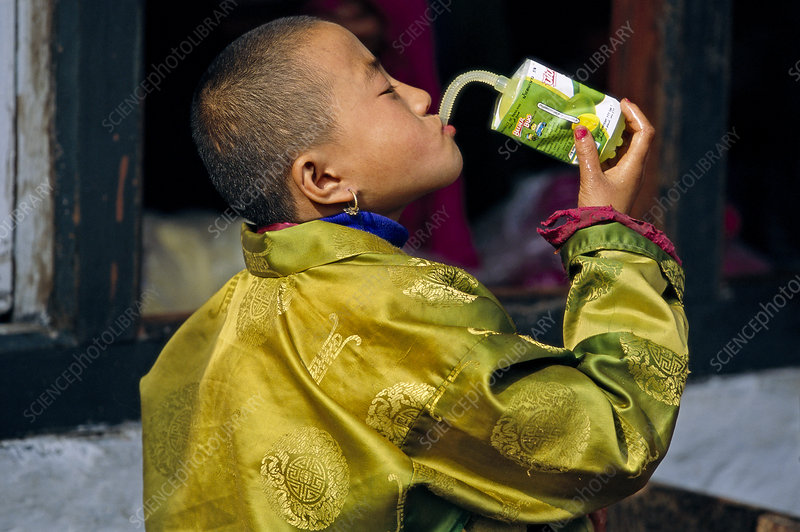
Sugary drinks have become a common part of everyday life for many young people in Bhutan, with soft drinks, packaged juices, energy drinks and sweetened beverages readily available in shops, restaurants and school and college areas.
While these drinks may be convenient and refreshing, frequent consumption can increase the amount of added sugar in a person’s diet. Health experts have linked excessive intake of sugary drinks with problems such as unhealthy weight gain, tooth decay and an increased risk of non-communicable diseases.
For young people, the attraction of sugary drinks can be influenced by taste, convenience, advertising and social habits. Students may choose soft drinks or sweetened beverages while studying, socialising with friends or eating out.
Bhutan has been working to address the growing burden of non-communicable diseases through healthier lifestyle choices. The Ministry of Health has emphasised the importance of healthy diets, physical activity and reducing risk factors associated with non-communicable diseases.
Sugary drinks are particularly important because they can provide a large amount of sugar without making a person feel as full as they might after eating solid food. Regular consumption can therefore contribute to excessive calorie intake.
Energy drinks are another concern, particularly among young people. They are often marketed as products that can increase energy and alertness, making them attractive to students and young adults. However, many energy drinks contain both high amounts of sugar and caffeine.
A student at a college in Bhutan said that sugary drinks are often chosen because they are easily available and taste better than plain water.
“I usually buy soft drinks when I eat outside with my friends. I know they contain sugar, but I don’t really think about the health effects when I am buying them,” the student said.
Health professionals say awareness alone may not always be enough to change people’s habits. Making healthier choices easier and more affordable can also encourage people to reduce their intake of sugary beverages.
Choosing water instead of a soft drink, checking nutrition labels and limiting the frequency of sweetened beverages are some simple ways people can reduce their sugar intake.
As Bhutanese lifestyles continue to change, the choices people make every day can have an important impact on their long-term health. Reducing sugary-drink consumption does not necessarily mean avoiding them completely, but being aware of how often and how much is consumed can help people make healthier choices.
















Leave a Reply