

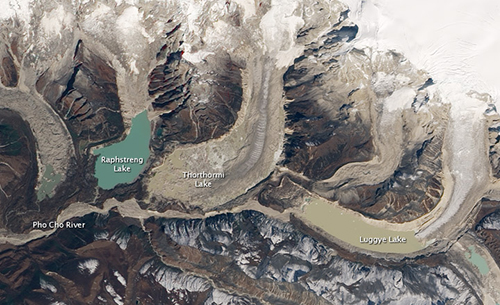
The lakes are located high in the Himalayas, where rising temperatures are causing glaciers to melt and retreat. As the glaciers melt, more water can enter glacial lakes, increasing their size and putting pressure on the natural barriers that hold the water back.
Thorthormi Lake is separated from Raphstreng Tsho by a moraine barrier. Experts are concerned that if this barrier becomes unstable or collapses, a large amount of water could suddenly move downstream. Such an event could cause flooding and damage homes, farmland, roads, bridges and other infrastructure.
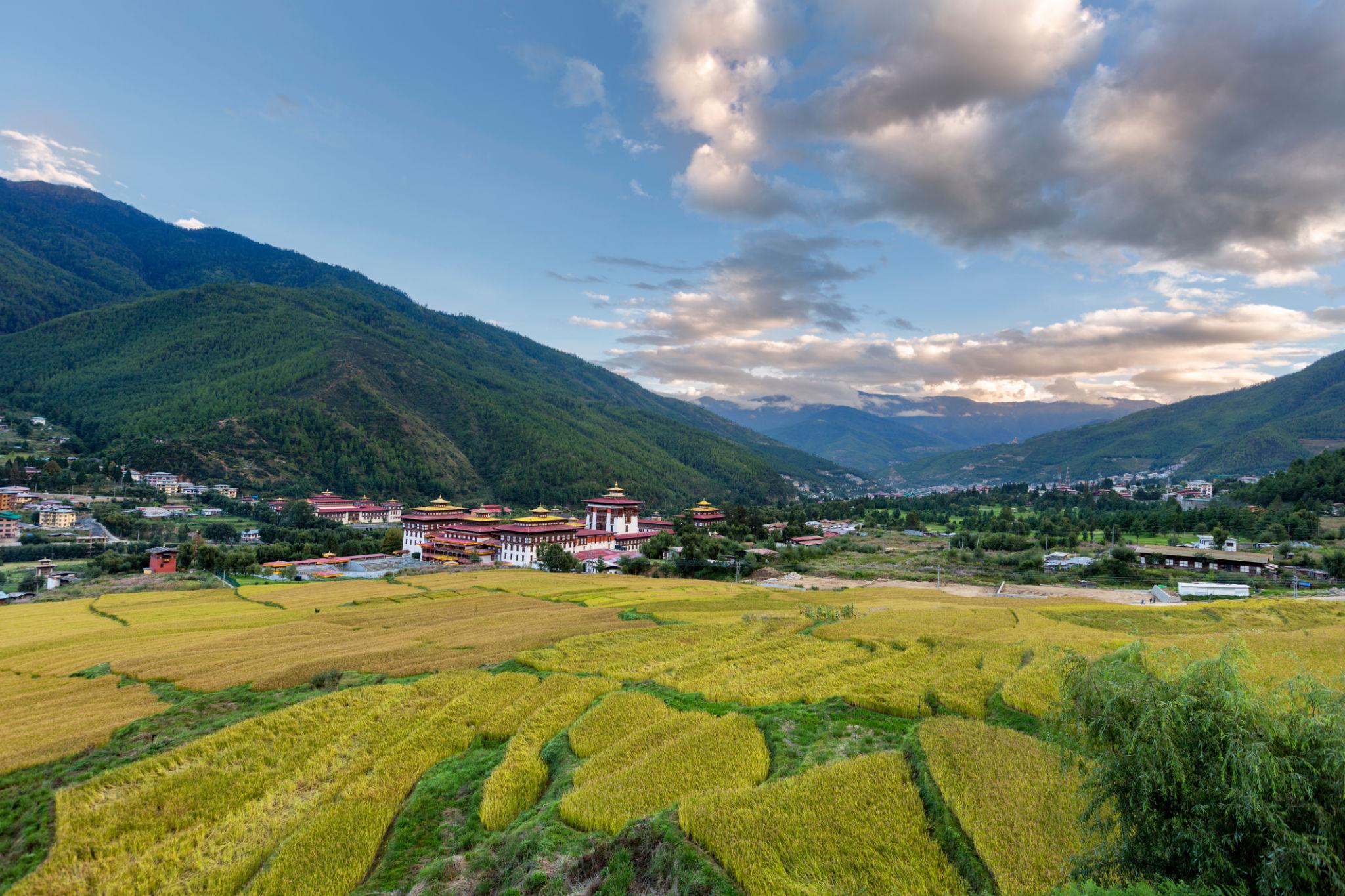
The possible flood is particularly concerning for communities downstream along the Pho Chhu basin. A major GLOF could affect areas far from the lakes and put many people at risk.
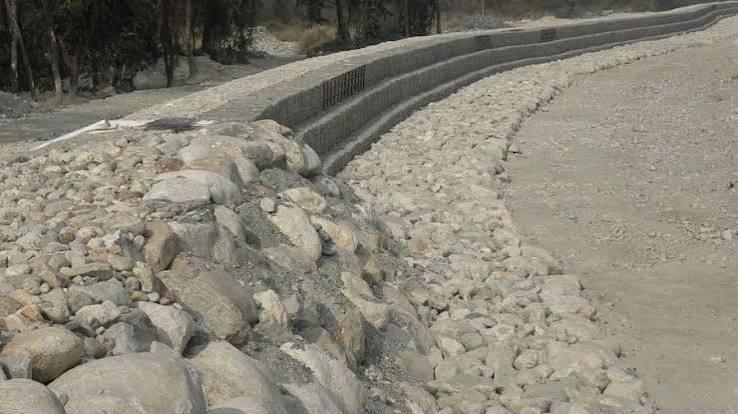
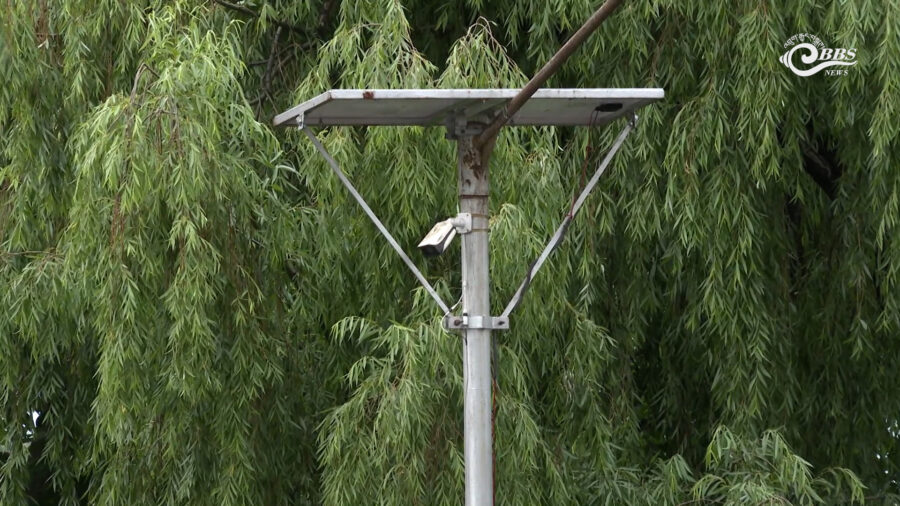
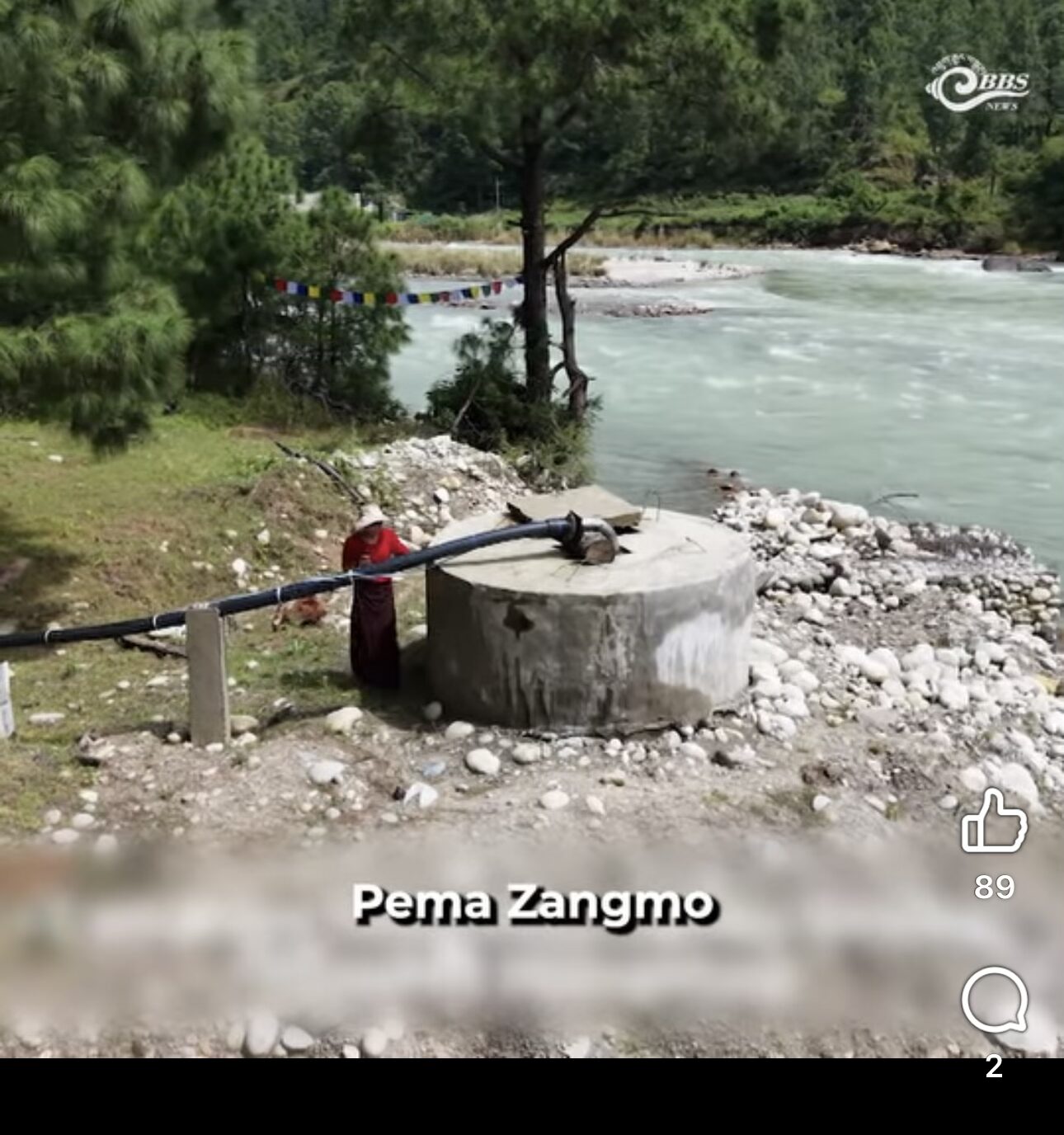
To reduce the danger, Bhutanese authorities have been monitoring the lakes and improving early-warning systems. The National Centre for Hydrology and Meteorology (NCHM) uses monitoring equipment to observe changes in water levels and conditions around the lakes. Experts have also explored ways of lowering the water level of Thorthormi Lake to reduce pressure on the surrounding barriers.
Local communities are also being taught about GLOF risks and emergency evacuation procedures. Awareness programmes and evacuation drills help residents understand what to do if an early warning is issued.
Although a major GLOF from Thorthormi and Raphstreng Tsho has not occurred, the threat remains a serious concern for Bhutan. Continuous monitoring, early-warning systems and community preparedness are essential to protect lives and property.
As Bhutan’s glaciers continue to change, protecting communities from GLOF disasters remains an important national priority.



















Leave a Reply