

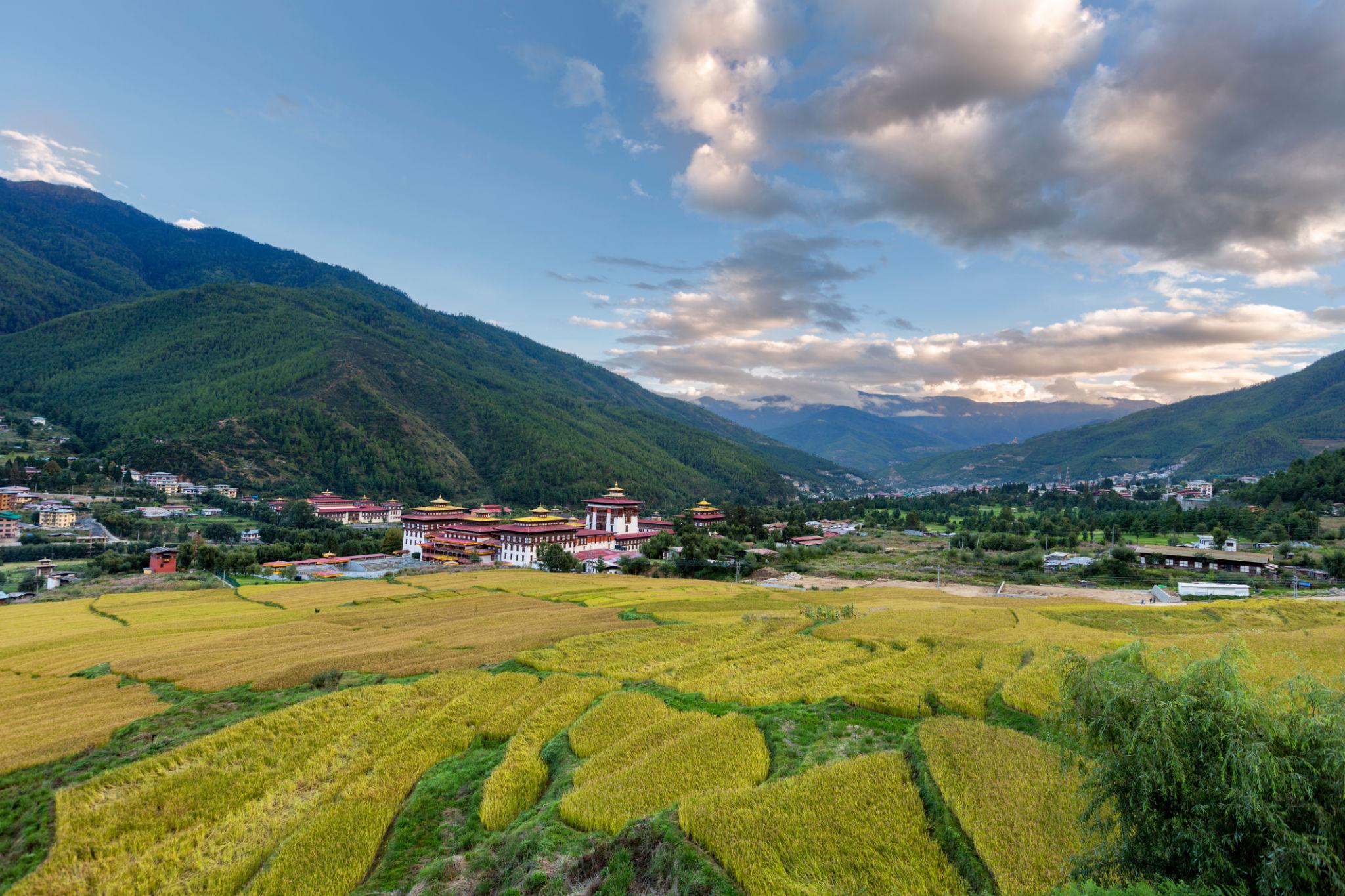
PUNAKHA, Bhutan — A new solar-powered irrigation initiative in Punakha is helping farmers overcome water challenges while creating new opportunities for women to take a greater role in agricultural technology and decision-making.
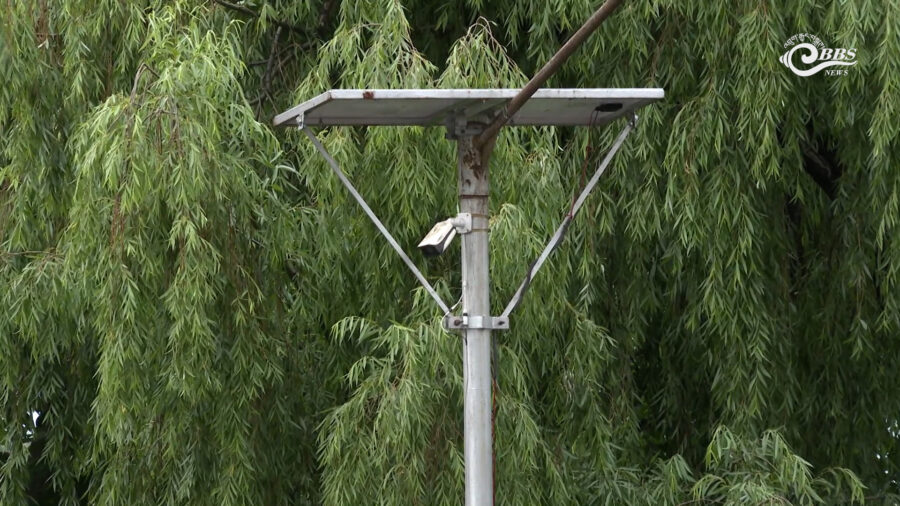
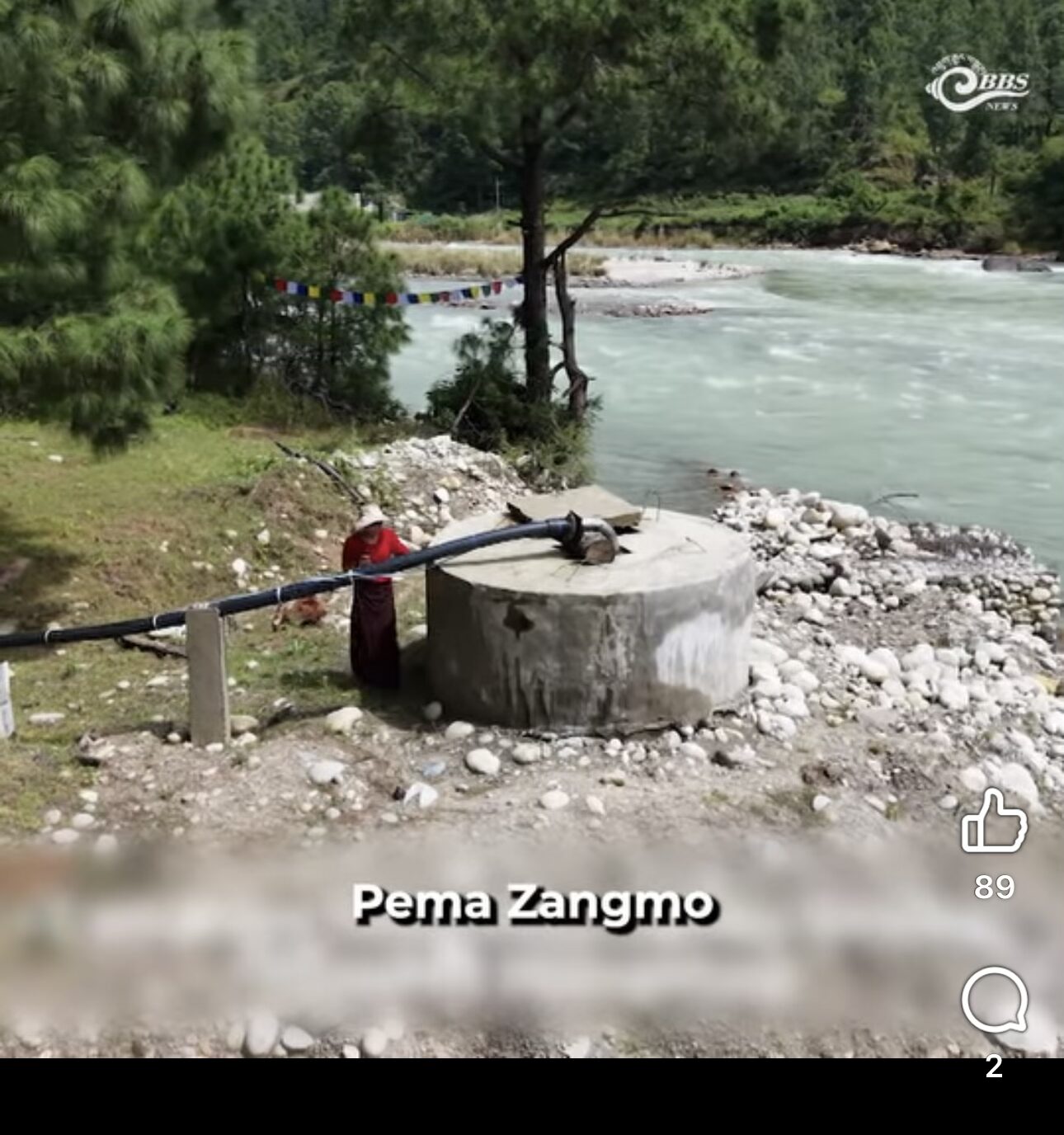
The project, known as the Women’s Empowerment through Renewable Energy Powered Decentralised Lift Irrigation Systems (WERELIS) Project, has introduced a solar-powered lift irrigation system in Tempakha village under Chhubu Gewog. The system is designed to pump water directly to farmland, reducing the amount of time and physical effort farmers need to spend bringing water to their fields.
For farmers in rural Bhutan, access to reliable irrigation can be critical, particularly when water sources are far from agricultural land or when several households depend on the same water supply. In Tempakha, farmers previously had to spend hours collecting and carrying water from streams to irrigate their crops.
Twenty-three-year-old farmer Pema Zangmo said the new system has made a significant difference to her daily routine. Before the project was introduced, she and her father spent more than four hours each day carrying water to their fields. Farmers also had to wait for their turn to access limited water supplies, making irrigation both time-consuming and difficult.
The solar-powered system has changed that process by using renewable energy to lift water and distribute it to farmland. Instead of relying on manual labour to transport water, farmers can now use the irrigation network to access water more efficiently.
One of the notable aspects of the project is its focus on women’s participation. Pema has received training to operate and maintain the irrigation system and can control the system remotely through a mobile application. She also plays a role in managing water distribution among households connected to the system.
The initiative reflects a broader effort to ensure that women in rural communities are not only beneficiaries of new technology but also become active participants in operating and managing it.
Women make up a significant part of Bhutan’s agricultural workforce, yet they have traditionally faced barriers to accessing agricultural technology and participating in decisions related to technical infrastructure. Projects such as WERELIS aim to address some of these gaps by combining renewable energy with women’s empowerment.
The use of solar energy also offers environmental benefits. Solar-powered irrigation can reduce dependence on conventional energy sources while providing farmers with a potentially more sustainable way to pump water. For rural communities, renewable energy can therefore serve both economic and environmental purposes.
The success of the initiative in Punakha could also provide a model for similar projects in other parts of Bhutan. The Department of Energy has already been examining the possibility of expanding the approach. Feasibility studies have been conducted at several locations in Punakha and Wangdue, while additional assessments are being carried out at other potential sites.
For farmers, better irrigation can mean more reliable access to water and potentially greater productivity. For women, learning to operate and manage modern agricultural systems can create new skills and increase their participation in community-level decision-making.
The project comes at a time when Bhutan continues to explore ways of combining renewable energy, sustainable agriculture and rural development. With much of the country’s population still connected to farming and rural livelihoods, improving access to appropriate technology remains an important part of strengthening rural communities.
In Tempakha, the impact is already being felt at the household level. A task that once required hours of physical labour can now be supported by a solar-powered system operated with modern technology.
The initiative demonstrates that renewable energy is not only about producing clean power. When combined with local needs and community participation, it can also help reduce the workload of farmers, improve access to essential resources and open new opportunities for people who have traditionally had less access to technology.
For Bhutanese farmers like Pema Zangmo, the change is practical and immediate: less time spent carrying water, easier irrigation and a new role in managing technology that directly affects the community’s farms.
As Bhutan continues to develop its renewable-energy sector, initiatives such as the WERELIS project show how clean energy can be applied to everyday challenges and contribute to a more sustainable and inclusive rural economy.
Source: Bhutan Broadcasting Service (BBS), October 5, 2026.



















Leave a Reply