

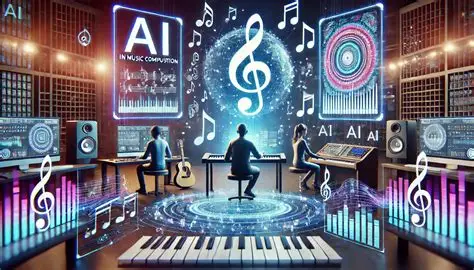
Artificial intelligence is rapidly changing the entertainment industry, and music is emerging as one of the biggest areas of transformation. From creating melodies and lyrics to producing entire songs, AI-powered tools are giving musicians new ways to experiment with sound. At the same time, the technology is raising important questions about creativity, copyright and the future of artists.
In recent years, AI-generated songs have attracted significant attention online. Some tracks created with artificial intelligence have sounded remarkably similar to the work of established performers, sparking debates among fans and musicians. While some listeners see AI as an exciting new creative tool, others worry that it could make it easier to imitate artists without their permission.
For musicians, however, AI does not necessarily mean the end of traditional creativity. Many artists are exploring the technology as a production assistant rather than a replacement for human talent. AI can help generate musical ideas, suggest chord progressions, create background sounds or assist with editing. This allows artists to spend more time developing their own style and performance.
The entertainment industry is also beginning to confront the legal challenges created by AI. One of the biggest questions is whether an artist’s voice, musical style or previously recorded work can be used to train AI systems without permission. Record labels, performers and technology companies are increasingly discussing how copyright rules should apply to AI-generated content.
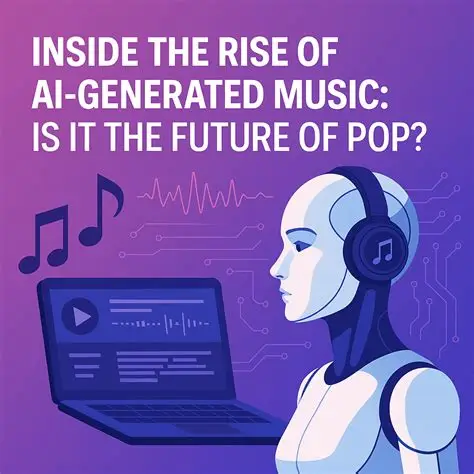
Another concern is the growing popularity of AI-generated performers. Virtual singers and digital personalities can release music without the traditional limitations faced by human artists. They do not need to travel for concerts, take breaks or maintain a conventional recording schedule. Their rise could create new opportunities for entertainment companies, but it could also increase competition for human performers.
Despite the controversy, audiences continue to experiment with AI music. Social media platforms have helped unusual and experimental tracks reach millions of listeners, particularly when users turn AI-generated music into memes, remixes and viral trends. This has demonstrated how quickly new technology can influence popular culture.
Industry experts expect the relationship between humans and AI to become more complicated in the coming years. Rather than completely replacing musicians, artificial intelligence may become another tool in the creative process, similar to synthesizers, digital audio workstations and other technologies that transformed music in previous generations.
The debate is unlikely to disappear soon. As AI becomes more sophisticated, artists, technology companies and lawmakers will have to decide where to draw the line between inspiration and imitation. For music fans, the biggest change may be that the definition of a “music artist” is becoming broader than ever before.
Whether AI becomes a creative partner or a major competitor, one thing is clear: artificial intelligence is no longer just a futuristic idea in entertainment. It is already changing how music is created, shared and experienced.













Leave a Reply