

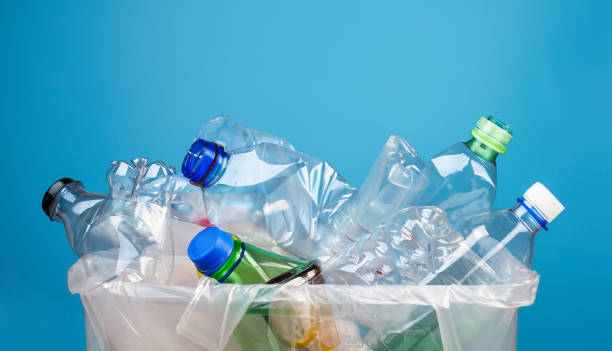
THIMPHU — Plastic waste continues to be an environmental concern in Thimphu, as the city experiences growing consumption and disposal of single-use plastic products. The issue is particularly visible around public areas, roadsides, markets and waste collection points.
The problem affects residents, businesses, waste workers and the wider community, who contribute to and are affected by the city’s waste-management situation.
Plastic bottles, food packaging, bags and other disposable items are among the waste commonly found in urban areas. While Bhutan has introduced measures to reduce plastic use and promote environmental responsibility, plastic products remain part of everyday consumption.
The issue has become more noticeable as Thimphu continues to develop and its population and economic activities increase. More people and businesses mean greater demand for packaged food, drinks and other consumer products, which can contribute to the amount of waste produced.
The consequences extend beyond the appearance of public spaces. Poorly managed waste can enter drainage systems and waterways, while plastic that is not properly collected or disposed of can remain in the environment for long periods.
Waste workers play an important role in dealing with the problem. They collect and transport waste from different parts of the city, helping maintain public cleanliness. However, waste management also depends on residents and businesses properly separating and disposing of their waste.
Environmental awareness and proper waste segregation are therefore important parts of addressing the problem. Residents can help by reducing unnecessary plastic use, reusing materials where possible and disposing of waste in designated locations. Businesses can also contribute by reducing unnecessary packaging and encouraging customers to use reusable alternatives.
The why behind the issue is closely connected to changing consumption habits, while the how involves improving waste segregation, collection, recycling and public participation.
As Thimphu continues to grow, managing its waste will remain an important environmental responsibility. The challenge is not only how much waste the city produces, but also how effectively that waste is managed from the point of disposal to its final destination.

















Leave a Reply