

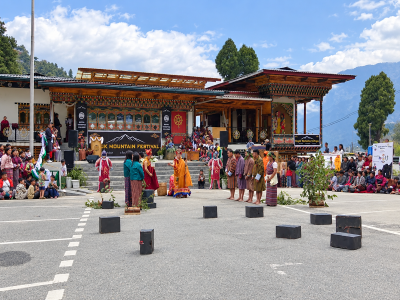
TRONGSA — Generations-old stories, traditions and cultural practices are being brought back to life through performances at the fifth Black Mountain Festival in Trongsa, as local communities work to preserve oral traditions that are gradually fading.
The festival, held in Trongsa, brings together communities from different gewogs to showcase their unique history, culture and way of life through skits, storytelling and traditional food competitions.
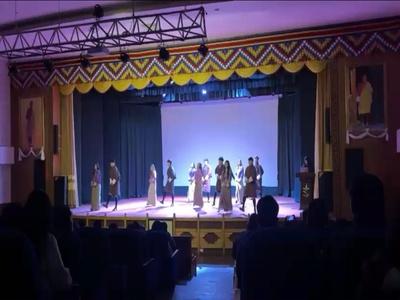
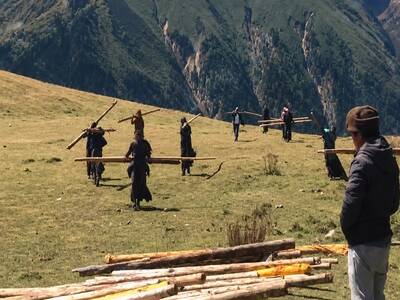
One of the highlights this year was a performance by participants from Dragteng Gewog, who presented the oral history of how Trongsa Dzong came to be built at its present location.
According to the story passed down through generations, the Dzong was initially planned at a place called Dzongkha Lum. However, construction was repeatedly disrupted, with work completed during the day believed to have been destroyed by local deities at night. The present location was eventually identified through prophecy.
Trongsa Dzong traces its origins to 1543, when Yongzin Ngagi Wangchuk, the great-grandfather of Zhabdrung Ngawang Namgyal, founded a small temple at the site. Zhabdrung later built the Dzong in 1647.
For the performers, presenting the story is not simply an act of entertainment. It is a way of preserving local history and ensuring that younger generations continue to learn about their cultural heritage.
“The present Trongsa Dzong was initially planned to be constructed at a place called Dzongkha Lum in our gewog. However, the deities of that place did not allow the construction to progress. So, we adapted this oral history into a skit and presented it to the public today,” said Rinzin of Taktse, Dragteng Gewog.
Other gewogs also staged performances highlighting their traditional livelihoods, historical stories and cultural practices. Through these activities, communities are showcasing what makes their respective gewogs culturally distinct.
District Culture Officer Dorji Tshering said the festival is also an opportunity to share Trongsa’s heritage with visitors from outside the district.
“Today, the audience is not limited to the youth of Trongsa. We also have many people from other districts. So, through such programmes, we have focused on showcasing the culture and history of Trongsa to them,” he said.
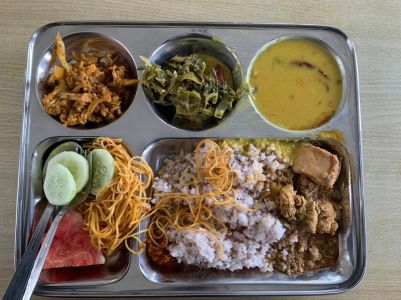
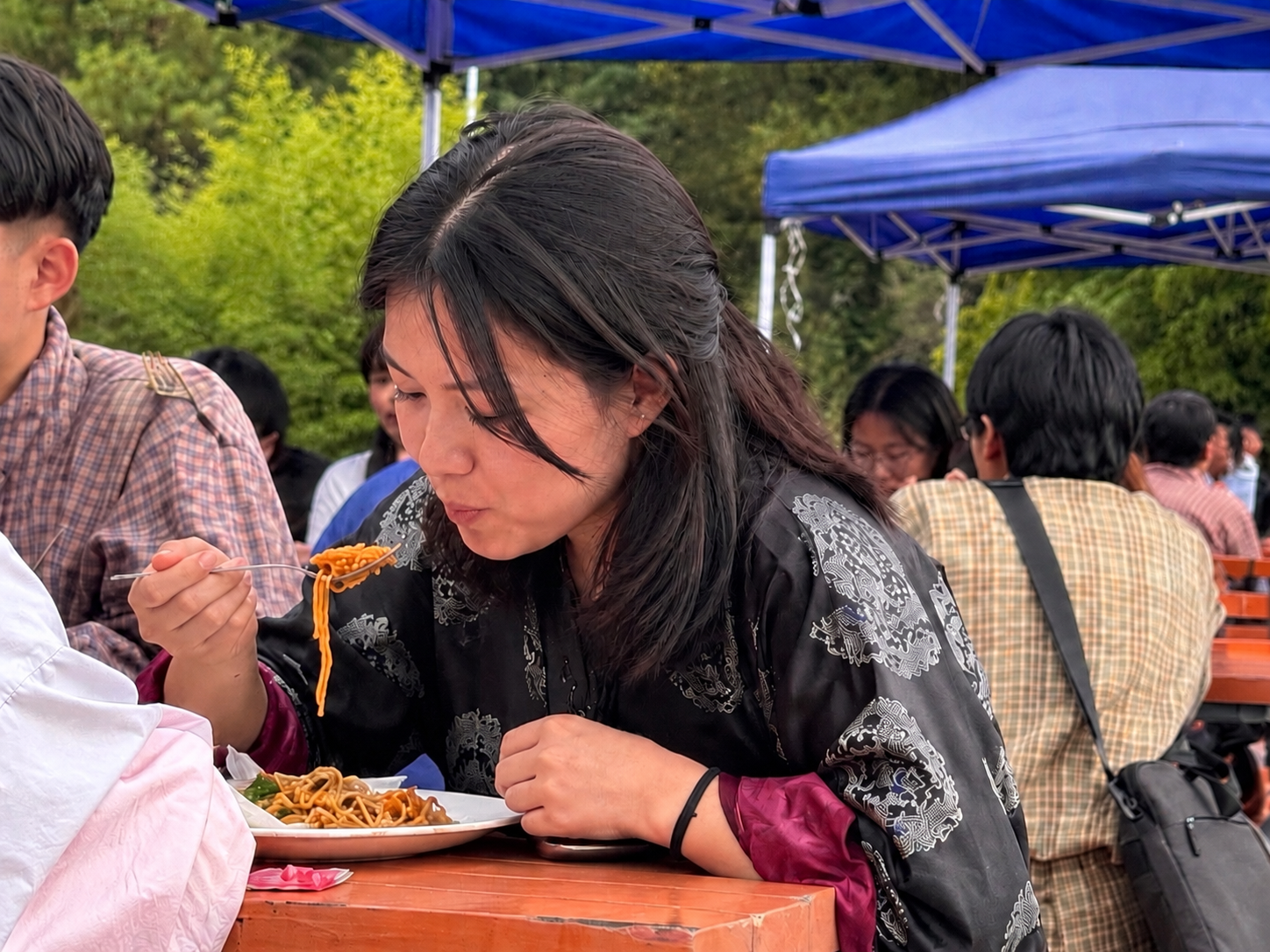
The festival also featured traditional storytelling and a culinary competition, where participants prepared dishes using locally available ingredients and traditional cooking methods.
Organisers and officials say such activities will continue as part of efforts to safeguard oral traditions and local knowledge.
For the people of Trongsa, the Black Mountain Festival is therefore more than a cultural celebration. It provides a platform for communities to remember their past, share their stories and pass their heritage on to future generations.














Leave a Reply