

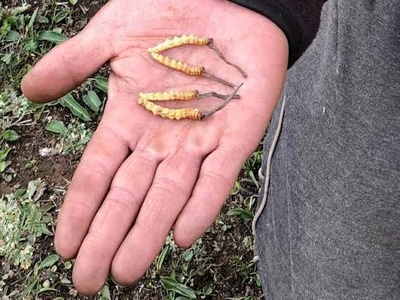
The sale of cordyceps, one of Bhutan’s most valuable natural products, has dropped sharply this year as many collectors chose not to sell their harvest at the prices offered by buyers.
According to the recent cordyceps auction, only 73.02 kilograms were sold out of approximately 300.16 kilograms brought to the auction. This means that nearly 75 percent of the harvest remained unsold, as collectors withdrew their products because they were dissatisfied with the bids.
The auction was held at eight centres across the country, involving more than 2,300 collectors and 29 bidders. The quantity sold this year was among the lowest recorded in recent years. In 2022, around 659 kilograms were sold, while sales in 2025 reached approximately 170 kilograms.
Despite the low sales volume, the cordyceps sold at the latest auction generated about Nu. 162.5 million. The highest bid reached approximately Nu. 3.6 million per kilogram at Khamaed, showing that the valuable fungus can still attract high prices in the market.
However, prices and sales varied significantly between auction centres. Khatoed recorded one of the highest amounts of withdrawn cordyceps. Out of approximately 100.86 kilograms brought to the auction, only 1.28 kilograms were sold. In comparison, Sephu recorded the highest sales volume, with around 29.38 kilograms sold.
Cordyceps is an important source of income for many highland communities in Bhutan. Every harvesting season, collectors travel to remote mountain areas and spend weeks searching for the fungus. The income earned from selling cordyceps helps families pay for education, food, healthcare and other household expenses.
However, the large quantity of unsold cordyceps has raised concerns among collectors. Many believe that the prices offered do not adequately reflect the time, effort and risks involved in collecting the product. The quality and grading of each harvest also influence the prices offered by buyers.
The situation highlights the challenges facing Bhutan’s cordyceps market, where changes in demand, prices and buyer participation can directly affect the income of highland communities. Although cordyceps remains a highly valuable product, collectors must decide whether to accept the available bids or keep their harvest in the hope of receiving better prices later.
For now, many collectors have chosen to take their unsold cordyceps home rather than accept lower offers. Their decisions reflect the importance of fair pricing and a stable market for this valuable natural resource.
The latest auction highlights the need to balance the interests of collectors and buyers. A fair and transparent market could help protect the livelihoods of highland communities while supporting the long-term value of Bhutanese cordyceps.


















Leave a Reply