

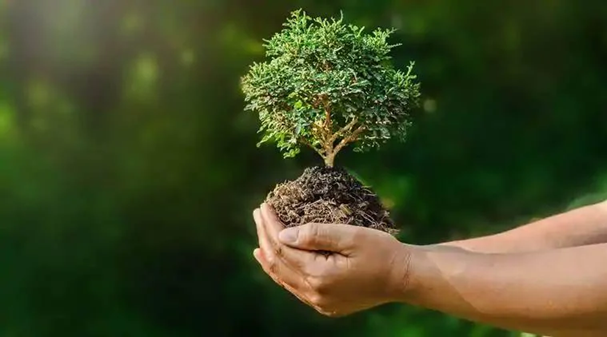
Bhutan has chased the dream of becoming the world’s first fully organic nation since the Ministry of Agriculture first laid out its national organic policy in 2006 and 2007. A study on Bhutan’s organic policy notes that the country’s Ministry of Agriculture proclaimed the benefits of organic farming as “unlimited” and framed it as a tool to fight poverty, support gender equality and improve health. Two decades later, the goal has been pushed back more than once, and the country now aims for 2035 instead of the original 2020 deadline.
But away from the big national targets, one small farming group in Thimphu is showing what organic farming looks like on the ground, and what it can earn.
The Jadingkha Organic Farmers’ Group, based in Maedwang Gewog, was formed in 2019. Of the 36 households in Jadingkha village, 18 currently farm organically on more than nine acres of land, and last year the group harvested a little over 7,800 kilograms of crops and vegetables. This year, the group expects to pass 9,500 kilograms, and last year’s harvest brought the 18-member group close to Nu 640,000 in earnings.
That is real money for a small rural group, and it points to something the national debate often misses: organic farming can pay, when farmers get a market for it. The group recently gained a new outlet for its produce at Kaja Throm, a market stall that lets members sell directly to buyers in town.
Still, the business side is not easy. Tshering Dorji, chairperson of the Jadingkha group, said many buyers assume organic vegetables are poor quality simply because they look less polished than imported or chemically grown produce, which discourages farmers despite their hard work. Imported vegetables often look fresher on the shelf, even when they carry more chemical residue, and that visual gap is costing organic farmers sales.
The bigger picture backs up what Jadingkha farmers are living through. By late 2022, Bhutan had reached only about 10 percent organic agriculture production nationwide, with just a small share of farmland formally certified organic. A 2023 academic review of the national programme went further, arguing that Bhutan’s 100 percent organic dream has stalled at closer to 1 percent of certified output, pointing to weak certification systems and limited follow-through on the ministry’s early promises.
The government has not backed away from the goal. A five-day training programme held in Tsirang last September brought together around 50 farmers, processors and aggregators to strengthen organic certification skills, part of the Ministry of Agriculture and Livestock’s push to build up high-value organic exports. The ministry has also set a broader target of adding Nu 70 billion to the economy from agriculture by 2035, with a 50 percent rise in crop yields and a big cut in vegetable imports.
For groups like Jadingkha, the national numbers matter less than the weekly market. What keeps 18 households going is simple: better soil, steady buyers, and a fair price for produce that looks a little rougher but costs the land far less.












Leave a Reply