

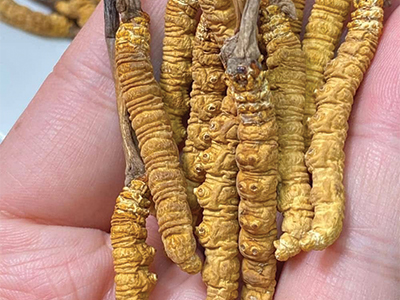
Thimphu: Nearly three-quarters of the cordyceps brought to this year’s auctions went back home with the collectors, who said the bids they received fell short of their expectations.
The Annual Cordyceps Auction 2026 recorded transactions of 300.16 kilograms (kgs) of cordyceps across eight auction centers, with 73.02 kgs sold through auction and 227.15 kgs withdrawn. According to the auction records, the withdrawn quantity accounted for 75.67 percent of the total quantity transacted. The withdrawal was mainly attributed to the low bid prices offered by bidders, with collectors not receiving the prices they had expected for their cordyceps.
A total of 2,317 collectors and 29 bidders participated across the eight centers. That is roughly 80 collectors for every bidder, although the auction records do not say whether this imbalance influenced the bidding.
For many collectors, the annual auction is the payoff for months of hard work in the mountains. In Bumthang, several collectors at the Choekhor Gewog Centre withdrew their harvest because they felt the prices offered by buyers were not enough. Cordyceps remains a major source of income for families in the area, and Choekhor collectors harvested more than 40 kilograms this season.
In Gasa, collectors at the Damji auction described the harvest as abundant and of good quality, yet sellers withdrew one after another. Some said the bids were lower than what local dealers offer and might not even cover the cost of attending the auction. One seller who had hoped for around Nu 3.8 to 3.9 million per kilogram of Grade A+ cordyceps did not receive that price. A similar scene was reported at the auction for Khatoed and Laya gewogs.
The withdrawals are permitted under the auction rules. Collectors can withdraw their cordyceps twice if unsatisfied with the highest bid, and can then move their harvest to another auction yard after completing the required procedures. One Bumthang collector said he had already withdrawn twice and filled out an Internal Movement of Cordyceps (IMOC) form to take his harvest to the auction in Sephu. He added that he cannot participate again at Choekhor and is considering selling after the auction if he gets a better price.
Bidders say their offers reflect their own costs. A representative of Bhutan Himalayan Organic Cordycep said that paying very high prices at the auction would make it difficult to recover costs when the cordyceps is exported.
The high withdrawal rate points to a gap between what collectors expect and what buyers are willing to pay. With so few bidders competing for the harvest of thousands of collectors, price pressure may remain a concern at future auctions. The auction records do not show what will happen to the 227.15 kgs withdrawn, or what the average price per kilogram was. Some collectors are likely to try other auction centers, while others are weighing private sales.
This comes to roughly 500 words. I’d still check the dates on the BBS reports before publishing, since some pages carry inconsistent date stamps.













Leave a Reply