

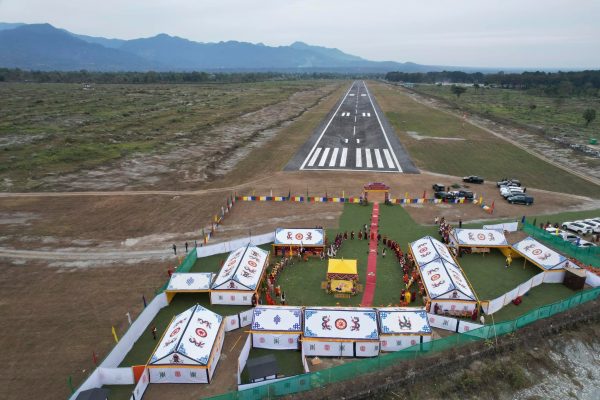
Bhutan is pursuing an ambitious plan to diversify its economy through the development of the Gelephu Mindfulness City (GMC), a major initiative intended to attract investment, develop new industries and create employment opportunities beyond the country’s traditional reliance on hydropower.
The government sees GMC as a potential regional centre for investment, technology, financial services, tourism and other emerging sectors. The initiative is expected to play a key role in Bhutan’s efforts to broaden its economic base and create new opportunities for businesses and young people.
For decades, hydropower has been one of the main pillars of Bhutan’s economy, generating export revenues and supporting government finances. However, the country has also been seeking to reduce its dependence on a limited number of sectors and build an economy capable of generating more diverse sources of growth.
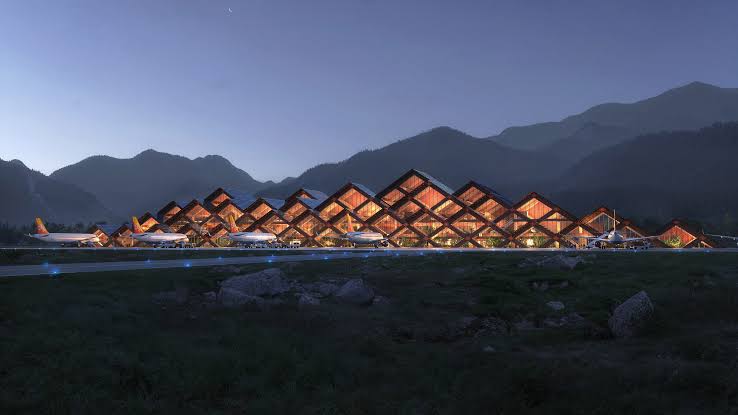
GMC is at the centre of that strategy. Located in southern Bhutan, the project is envisioned as a new economic hub with infrastructure and policies designed to attract both domestic and international businesses.
The government hopes the development will encourage investment in sectors with potential for long-term growth, including technology, finance, tourism, education and other knowledge-based industries. By creating a business-friendly environment, authorities aim to position Bhutan as a destination for regional investment while maintaining the country’s emphasis on sustainability and its distinctive cultural identity.
The project also comes as Bhutan seeks to address employment challenges and provide greater opportunities for its growing pool of educated young people. Expanding the private sector and developing new industries could help create jobs that are less dependent on the public sector and traditional economic activities.
Supporters of the initiative see GMC as an opportunity to transform Bhutan’s economic landscape and strengthen its links with regional markets. At the same time, the scale of the project means that its success will depend on attracting sufficient investment, developing the necessary infrastructure and ensuring that new economic activity translates into sustainable benefits for the wider population.
For Bhutan, the development of GMC therefore represents more than the creation of a new urban centre. It is part of a broader attempt to reshape the country’s economic model while balancing growth with environmental protection, cultural preservation and the principles that have long guided Bhutan’s development.















Leave a Reply