

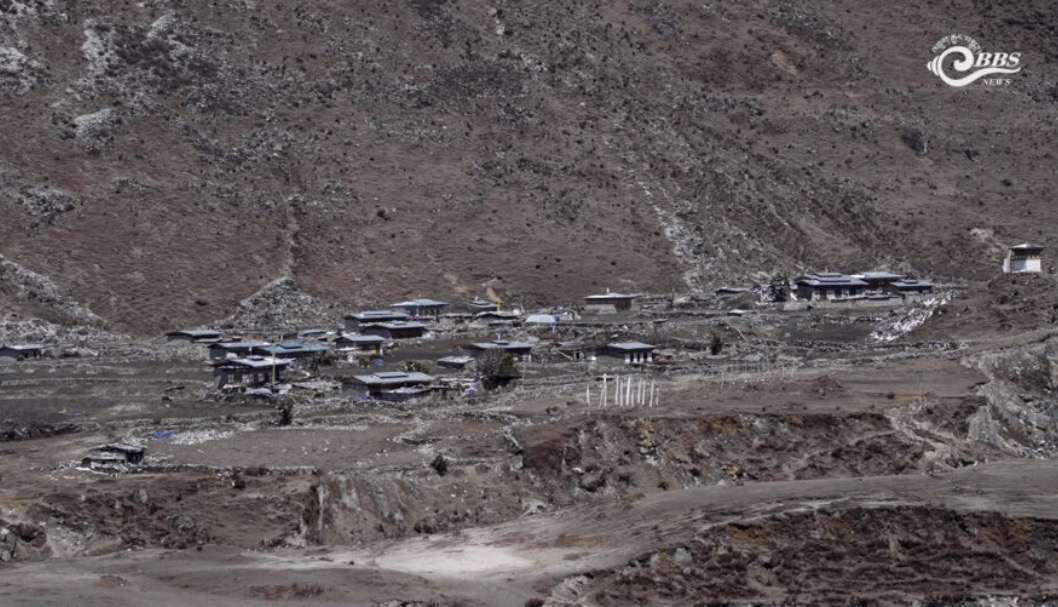
LUNANA, BHUTAN — The income earned from cordyceps harvesting is gradually changing traditional gender roles in Lunana, with men increasingly sharing household and farm responsibilities that were once largely carried out by women.
Lunana, one of Bhutan’s most remote communities in the north, has traditionally depended on farming and livestock for livelihoods. For many years, women were responsible for a large share of household and agricultural work, including collecting firewood, carrying materials, preparing fields and managing household responsibilities.
According to residents, the situation began to change after the legalisation of cordyceps harvesting in 2004. The valuable fungus, locally known as Yartsa Guenbub, became an important source of income for communities in the high-altitude regions.
The additional income allowed families to purchase horses, which reduced the physical burden of transporting firewood, manure and other materials. As a result, men have increasingly become involved in work that was traditionally done mainly by women.
Dorji Wangmo, a senior resident of Lunana, said she has witnessed a major difference between the lives of older and younger generations. She recalled that women previously carried out most household and farm duties, while men had fewer responsibilities outside certain agricultural activities.
Today, she said, the younger generation has a different experience, with men also helping with household and farming tasks.
Namgay Dorji, a resident of Thangza-Toenchoe, said the availability of horses had made everyday work easier. In the past, families mainly relied on yaks, leaving women to carry out many physically demanding tasks. With the income from cordyceps, families could afford horses, allowing men to participate more in household work.
The change has also provided women with greater economic independence. A 2022 report by UNDP Bhutan found that income from cordyceps had helped reduce women’s domestic workload and narrow the gender gap in the community.
Residents say improvements in transportation and household facilities have also contributed to better living conditions. The introduction of helicopter services in 2015 has made it easier for people in Lunana to access food and other essential supplies, connecting the remote community with Punakha and Thimphu more quickly.
However, the changes have not happened overnight. For many women who spent decades carrying out most household and farm duties, the transformation represents a gradual shift in family life and responsibilities.
For younger generations, the changes mean that household work is increasingly becoming a shared responsibility rather than something mainly associated with women.
The experience of Lunana shows how a source of income can influence more than just a family’s financial situation. In this remote Bhutanese community, cordyceps has contributed to changes in how families work together, while helping ease some of the traditional burdens placed on women.


















Leave a Reply