

By Karma Wangyal
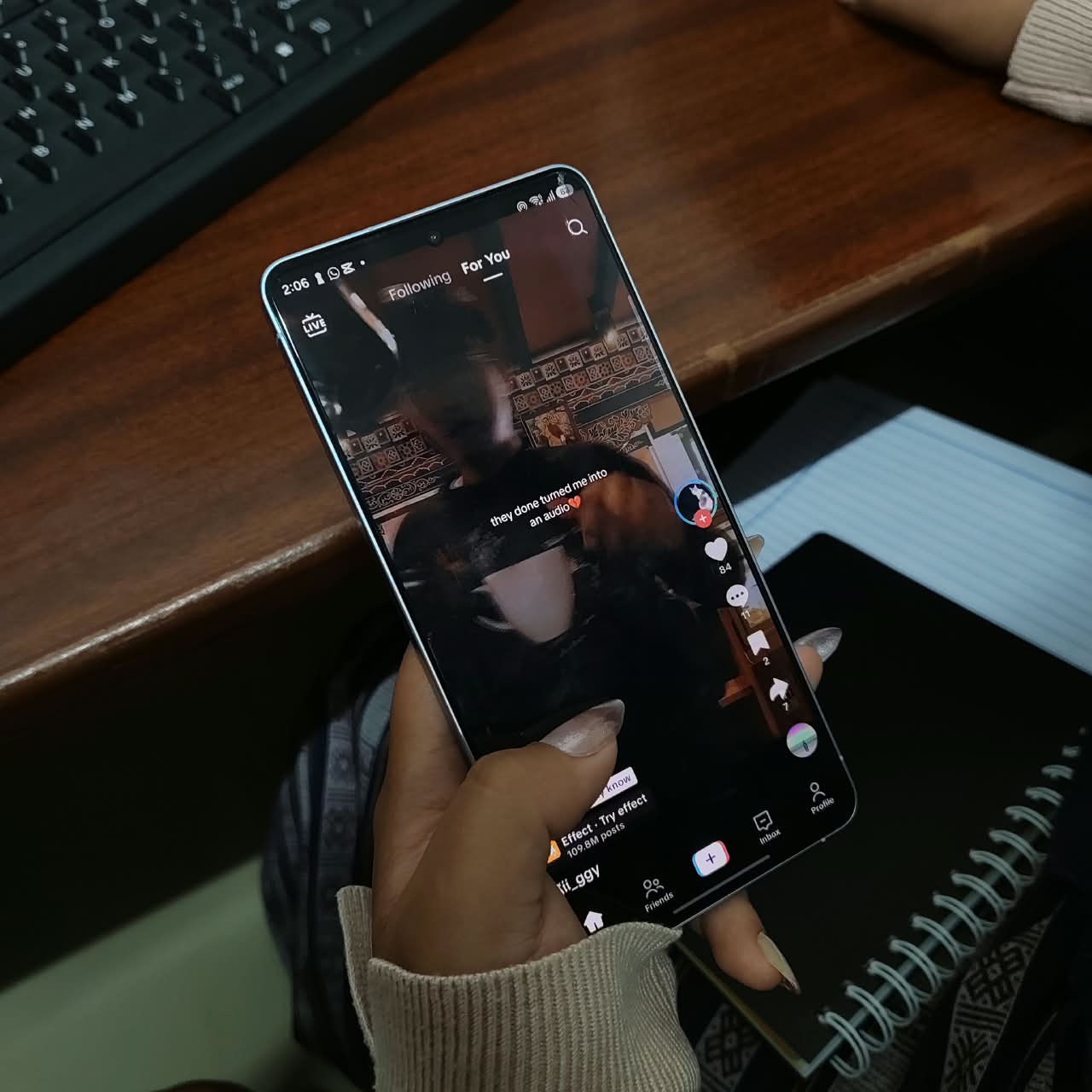
For many students at Royal Thimphu College (RTC), TikTok has become a normal part of everyday life. Students use the app to watch short videos, follow trends, discover new ideas, connect with others and simply take a break from college work. After a long day of classes, assignments and studying, scrolling through TikTok can be an easy way to relax. However, as students spend more and more time on the platform, one question comes up: Is TikTok just a form of entertainment, or is it becoming a distraction for students?
TikTok has become popular among young people mainly because of its short, interesting and entertaining videos. For RTC students, it can be a fun way to relax after classes and explore content about music, comedy, education, fashion, sports, food, travel and creativity. Since videos are short, students can easily watch them whenever they have some free time. Unlike other forms of entertainment, TikTok also quickly shows users content based on their interests, which makes it easy to keep watching one video after another.
Besides entertainment, TikTok can also be useful for learning. Students can find videos about study tips, language learning, academic topics and different practical skills. For example, a student interested in photography, video editing, graphic design or public speaking can find tutorials and ideas from other creators. In this way, TikTok can introduce students to new skills and information that they may not always learn in the classroom. It can also expose them to different opinions, cultures and ways of thinking.
However, the problem begins when entertainment turns into a distraction. A student might open TikTok planning to watch a few videos during a short study break, but before they realize it, thirty minutes or even an hour may have passed. Since there is always another video waiting to be watched, it can be difficult to stop scrolling. The time that could have been spent doing assignments, reading, preparing for presentations or revising for exams can easily be lost.
TikTok can also affect students’ concentration. The platform is designed around quickly changing from one short video to another. Students become used to getting new content every few seconds, which may make it harder to focus on activities that require more time and patience. Reading a long article, completing an assignment or studying for an exam can feel less interesting compared to the constant entertainment available on TikTok. For students who already have busy college schedules, this can make it even harder to manage their time effectively.
Another issue is that students may start using TikTok whenever they feel bored, tired or stressed. Sometimes, opening the app becomes an automatic habit rather than a planned decision. For instance, a student who is struggling with an assignment might decide to take a quick break by watching TikTok. Instead of returning to the assignment after a few minutes, they may continue scrolling for much longer. Although each distraction may seem small, these moments can add up and affect a student’s productivity over time.
At the same time, not all students see TikTok as a negative influence. Some students may use it as a source of creativity and inspiration. This can be especially useful for students interested in communication, media and other creative subjects. They can find content related to filmmaking, photography, graphic design, video editing, advertising and storytelling. Students can also use TikTok to share their own ideas, talents and creative work, making the platform more than just a place for watching entertainment.
TikTok can also help students stay updated with current trends and different social issues. Because information can spread quickly on the platform, students may come across discussions and topics they might not hear about through their regular college activities. However, students also need to be careful because not everything posted on TikTok is accurate or trustworthy. It is important to check information and think critically instead of believing everything simply because it is popular or has many views.
Overall, TikTok has both positive and negative sides when it comes to student life. It can be a good way to relax, have fun, learn something new and get creative ideas. At the same time, using it too much can lead to procrastination, poor concentration and less time for academic responsibilities. The problem, therefore, is not necessarily TikTok itself, but how students choose to use it.
For RTC students, the main challenge is finding a balance between enjoying TikTok and managing their time wisely. Students can set limits on how long they use the app, avoid checking it while studying and use it as a reward after finishing important tasks. Small changes like these can help students enjoy social media without allowing it to take control of their time.
In conclusion, TikTok can be both entertainment and a distraction depending on how it is used. It can help RTC students relax, learn new things and explore their creativity, but spending too much time scrolling can also affect their studies and productivity. Instead of seeing TikTok as completely good or bad, students should learn to use it in a balanced and responsible way. In the end, whether TikTok becomes a helpful source of entertainment or a distraction from college life depends largely on the choices students make.









Leave a Reply