

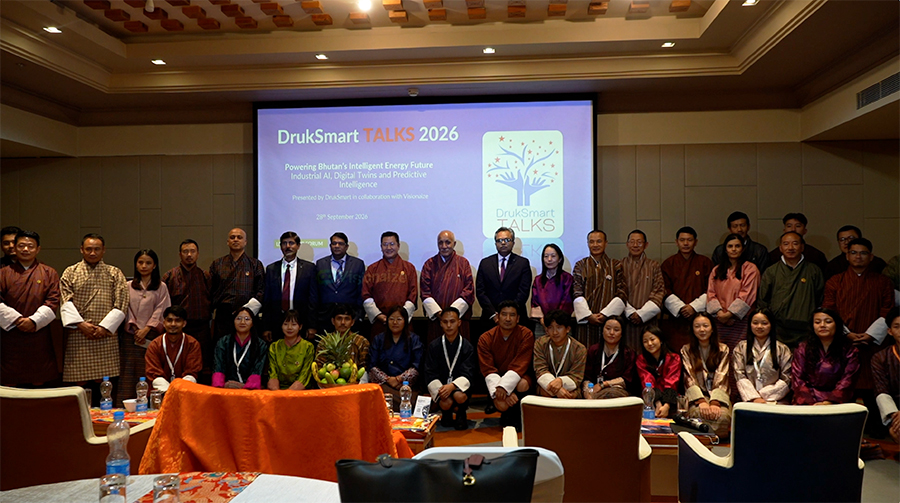
Artificial Intelligence (AI) is becoming an important technology that can support the hydropower sector in Bhutan. Bhutan depends heavily on hydropower for electricity generation and for earning revenue through the export of electricity. Since hydropower depends on natural resources such as water, rainfall, and river flow, modern technology can help Bhutan manage these resources more efficiently. AI can analyse large amounts of information and provide useful predictions that can support engineers, technicians, and hydropower officials in making better decisions.
One important use of AI in hydropower is predictive maintenance. Hydropower plants have many important machines, including turbines, generators, pumps, and transformers. If these machines suddenly stop working, electricity production can be affected and repairs can be expensive. AI can analyse data collected from machines, such as temperature, vibration, pressure, and performance. By identifying unusual patterns, AI can warn technicians about possible equipment problems before a major failure happens. This can reduce unexpected breakdowns, maintenance costs, and power interruptions.
AI can also be used for water-flow and hydropower forecasting. The amount of electricity produced by a hydropower plant depends greatly on the availability of water. Bhutan experiences seasonal changes in rainfall and river flow, so predicting the amount of water entering reservoirs and rivers is important. AI can analyse information such as rainfall, river levels, historical weather patterns, and previous water-flow data to help predict future water availability. These predictions can help hydropower operators plan electricity generation more effectively.
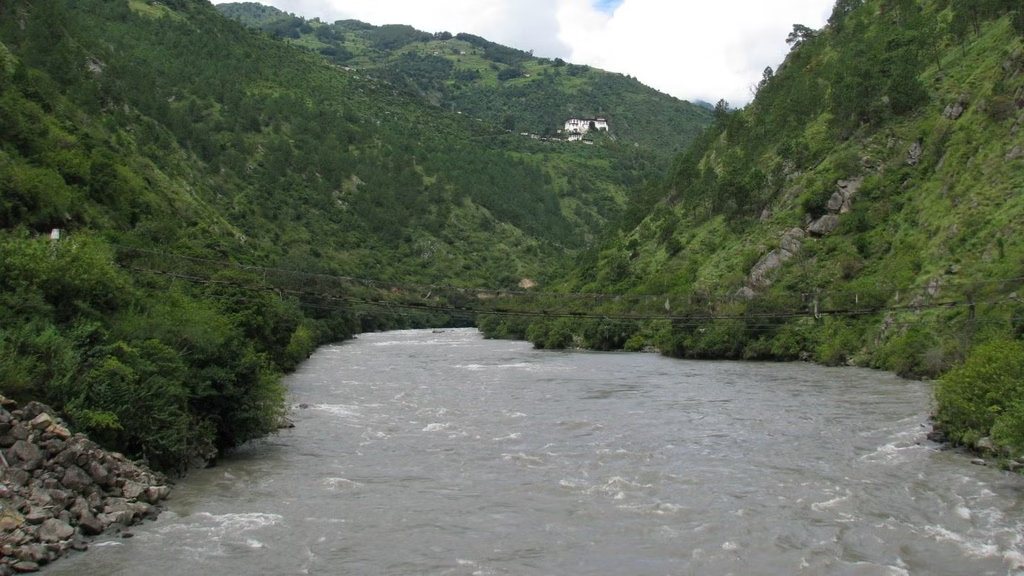
Another useful application is electricity-demand forecasting. Electricity consumption changes depending on the time of day, season, weather, and economic activities. AI can study past electricity-use patterns and predict future demand. This can help Bhutan’s energy authorities and hydropower companies balance electricity production with consumer needs. Better forecasting can also help reduce unnecessary energy wastage and improve the reliability of electricity supply.
AI can further support monitoring and automation in hydropower plants. Modern hydropower facilities use digital systems to collect information about their operations. AI can analyse this information continuously and help operators identify changes in plant performance. It can support faster decision-making and allow technicians to respond to problems more quickly. This is particularly useful because hydropower plants contain complex equipment that needs continuous monitoring.
However, using AI in Bhutan’s hydropower sector also has some challenges. AI systems require reliable data, skilled workers, modern infrastructure, and proper cybersecurity. Bhutan may need to invest in training engineers and technicians so that they can understand and operate AI-based systems. Human expertise will still be important because AI should support, rather than completely replace, professionals working in hydropower.
In conclusion, AI has significant potential to improve Bhutan’s hydropower sector. It can help with predictive maintenance, water-flow forecasting, electricity-demand forecasting, monitoring, and automation. By using AI together with the knowledge and experience of hydropower professionals, Bhutan can improve efficiency, reduce equipment failures, manage water resources better, and strengthen the reliability of its electricity supply. As Bhutan continues to develop its renewable-energy sector, AI could become an important tool for making hydropower more efficient and sustainable.









Leave a Reply